What to Expect During a Full Home Renovation: Step-by-Step Guide
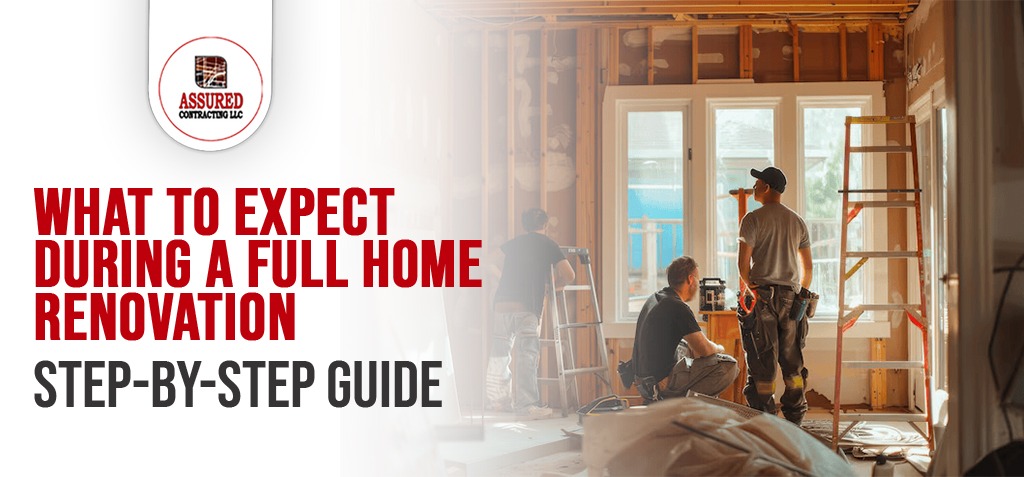
Renovating your home can be one of the most exciting changes you’ll ever make — and also one of the most challenging if you’re not prepared. A well-executed renovation updates your space, improves comfort, adds value, and makes daily life more enjoyable.
Whether this is your first major renovation or you’ve done updates before, this guide walks you through every phase so you know what to expect at each step. We’ll simplify the process from planning to move-in day so you feel confident and in control.
Starting With a Clear Vision
The very first step in a full home renovation is defining why you want to renovate.
Ask yourself:
Do you want more open space?
Is the goal to modernize outdated rooms?
Are you improving function, like adding storage or a second bathroom?
Are long-term comfort and energy savings a priority?
Understanding your reasons sets a strong foundation. When you know your “why,” decisions later in the project become much easier.
Step 1: Planning & Goal Setting
Planning sounds simple, but it’s the most important part of your renovation.
What Happens in the Planning Phase:
✔ Discuss vision with a professional
✔ Identify priority rooms and updates
✔ Explore design styles and materials
✔ Make a rough timeline
✔ Draft an initial budget
Start by gathering inspiration: photos, magazine cut-outs, or Pinterest boards. This helps you and your designer or contractor visualize the final look. A clear plan also avoids costly changes once construction begins.
Step 2: Set Your Budget
Budgeting isn’t just about a single number — it’s about planning realistically.
Here’s how to structure it:
Estimated Costs: Include materials, labor, permits, and design fees.
Contingency Fund: Add 10–20% for surprises — and there will be surprises.
List Priorities: Separate must-haves from nice-to-haves.
Unexpected issues like outdated wiring, hidden water damage, or structural repairs are common during demolition and can raise costs if you’re unprepared.
Tip: Don’t immediately choose the cheapest quote — value and trust in your professionals matter more than a low price.
Step 3: Hiring the Right Professionals
A successful renovation depends on the team you choose.
Your team might include:
General Contractor
Interior Designer
Architect
Specialist Trades (electrician, plumber, carpenter)
Roofing experts (sometimes needed early in a project)
Even elements like your roof matter. Choosing the best roofing professionals can prevent leaks and structural issues later. A professional metal roofing company in Fort Lauderdale, for example, can improve durability and weather resistance.
Here’s what to ask when hiring professionals:
✔ Are they licensed and insured?
✔ Do they communicate well?
✔ Can they provide references or past work photos?
✔ What’s their timeline and process?
Weekly updates and clear lines of communication make your renovation go smoother.
Step 4: Permits & Regulations
Before any work begins, proper permits are required for many major renovation tasks.
You may need permits for:
Structural changes
Electrical upgrades
Plumbing work
Additions or expansions
Your contractor should handle much of this, but knowing what’s required keeps you informed and avoids delays. Permitting timelines vary by city and complexity.
Step 5: Preparing the Space
Before construction starts, your home needs prep work.
📍 What to Expect:
Furniture and decor are moved or covered
Protective barriers go up
Walkways for workers are planned
Trash and debris areas are designated
Safety and dust control matter. A well-prepared site keeps homeowners and workers comfortable throughout the renovation.
Step 6: Demolition
This phase is loud, messy, and exciting — because things are actually happening.
During demolition:
✔ Old fixtures, flooring, and walls are removed
✔ Subfloors and studs are revealed
✔ Hidden issues may emerge
You should expect some dust and noise. It’s normal. Good contractors control debris and protect floors and surfaces where possible.
This is also when surprises may appear — like uneven flooring or outdated wiring. That’s another reason your contingency budget matters.
Step 7: Structural & System Work
Once demolition is done, it’s time for the “hidden” work that makes your home safe and functional.
Key tasks in this phase:
Electrical rewiring and new circuits
Plumbing updates
HVAC improvements
Framing and subfloor work
This is when your home begins to take its new shape. Because most work is now behind walls or under floors, this stage requires careful supervision and frequent communication with your contractor.
Step 8: Walls, Insulation & Drywall
Here’s where things start looking like a home again:
✔ Insulation goes in
✔ Drywall is installed
✔ Wall finish begins
Good insulation means better comfort and lower energy bills. Proper drywall work sets the stage for beautiful finishes.
During this stage, check for:
Smooth seams
Proper sealing around windows and doors
Soundproofing in shared walls
Step 9: Interior Finishes
Now comes the fun part — details that reflect your style.
Finishes include:
Flooring installation (hardwood, tile, carpet)
Painting walls and ceilings
Installing cabinetry and countertops
Lighting and fixtures
Interior doors and hardware
This stage brings your design choices to life.
Work with your designer to ensure colors, textures, and materials complement each other — and fit the vision you set at the beginning.
Step 10: Final Systems & Fixtures
At this stage:
✔ Appliances are installed
✔ Plumbing fixtures go in
✔ Electrical fixtures and lighting are completed
✔ Final HVAC adjustments are made
Your home is nearly finished and almost ready for daily life again.
Step 11: Cleanup and Inspection
A thorough cleaning removes dust, debris, and marks from construction.
Then comes the final walkthrough:
✔ Check every room
✔ Test systems – lights, taps, outlets
✔ Confirm finishes match expectations
If issues are found, a good contractor will address them before handing over your renovated space.
Renovation Timelines: What to Expect
Renovation timelines vary, but typical ranges are:
Minor updates: 4–12 weeks
Kitchen or bathroom renovation: 8–16 weeks
Full home renovation: 6–12 months or more depending on complexity
Delays may happen due to permitting, weather, material lead times, or unexpected issues. Patience and flexibility will keep frustration low.
Tips for a Smooth Renovation
Here are ways to make your experience better:
✔ Stay organized with a renovation binder
✔ Schedule regular check-ins with your team
✔ Avoid late changes once work begins
✔ Set realistic time expectations
✔ Plan living arrangements if major rooms are disrupted
✔ Keep a cushion in your budget for surprises
Good communication and clarity at every step are essential for a successful renovation.
Final Words
A full home renovation is a major project, but with the right planning, team, and expectations, it can be rewarding and transformative.
From the planning stage all the way through finishing touches, understanding what to expect at each step helps you enjoy the process and ultimately fall in love with your upgraded home.
If you’re ready to start your renovation or want help turning your vision into reality, Assured Contracting is here to guide you through every step from planning to completion.