5 Tips for an Energy-Efficient Roof in Florida
QUICK ANSWER
An energy-efficient roof in Florida combines reflective (cool) roofing materials,
proper attic insulation, balanced ventilation, radiant barriers, and routine professional
maintenance. Together, these steps can lower attic temperatures by up to 30°F and cut
cooling costs by 10–15% in Florida's hot, humid climate.
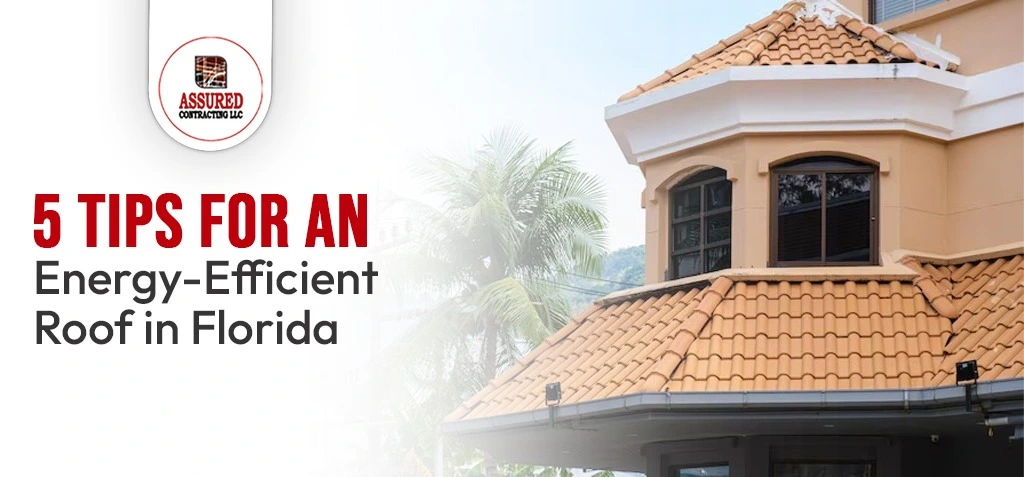
Florida homeowners know the drill: relentless sun, thick humidity, and air conditioning bills that climb every summer. Your roof is the single biggest factor in how much heat gets into your attic — and how hard your HVAC system has to work to push it back out. The good news is that an energy-efficient roof isn't about tearing everything off and starting over. In most cases, it's about making smart, targeted upgrades to materials, insulation, and airflow. Below are five proven tips that actually move the needle in Florida's climate, plus what to watch out for so you don't waste money on upgrades that look good on paper but underperform in real Florida heat.
1. Choose Reflective, Cool Roofing Materials
Standard dark shingles can reach surface temperatures of 150°F or more under direct Florida sun, radiating heat straight into your attic. Cool roofing materials — light-colored shingles, metal roofing with reflective coatings, or tile with high solar reflectance — bounce a much larger share of sunlight away instead of absorbing it.
- Metal roofing with a reflective coating: excellent heat rejection and 40–70 year lifespan.
- ENERGY STAR-rated shingles: a budget-friendly upgrade from standard asphalt.
- Light-colored concrete or clay tile: a classic look with strong thermal performance.
Reflectivity matters more in Florida than almost anywhere else in the country, simply because the sun exposure is so consistent year-round. A roof color and material chosen for a cooler climate rarely performs the same way here.
2. Upgrade Attic Insulation to Florida-Appropriate R-Values
Insulation stops the heat that does get through your roofing material from reaching your living space. The Department of Energy generally recommends R-30 to R-60 for attics in Florida's climate zones, yet many older homes still have R-11 to R-19 insulation from decades-old building codes.
Before adding insulation, it's worth checking for moisture damage or existing roof leaks — wet insulation loses most of its R-value and can hide bigger problems underneath. A quick inspection at this stage often saves homeowners from insulating over an issue that needs fixing first.
3. Fix Leaks and Aging Roof Sections Before They Spread
Even a small, unnoticed leak can quietly wreck your energy efficiency — trapped moisture compresses insulation, promotes mold, and forces your AC to work overtime to compensate for humidity infiltration. In Central Florida's heavy rain and storm seasons, this is one of the most common ways an otherwise decent roof becomes an energy drain. If you notice water stains on ceilings, missing shingles, or soft spots on the roof deck, it's worth getting a professional roof repair evaluation before investing in insulation or reflective upgrades — repairing damage first protects the value of every efficiency improvement you make afterward.
4. Balance Attic Ventilation (Intake and Exhaust)
A well-insulated, reflective roof can still underperform if hot air has nowhere to go. Proper ventilation pulls in cooler air at the soffits (intake) and pushes hot, humid air out near the ridge (exhaust), keeping attic temperatures closer to outdoor levels instead of trapping heat like an oven.
- Ridge vents paired with continuous soffit vents for steady, passive airflow.
- Radiant barrier sheathing or foil insulation to reflect heat before it enters the attic space.
- Solar or power attic vents for homes with limited natural airflow.
Poor ventilation is one of the most overlooked causes of high energy bills in Florida homes — it's common to see two nearly identical roofs perform very differently in summer, simply because one has balanced airflow and the other doesn't.
Call Now!
954-652-10985. Schedule Seasonal Professional Roof Inspections
Florida's roofs face a tougher year than almost anywhere else: intense UV exposure, hurricane-season winds, and sudden downpours. A twice-yearly inspection — ideally before and after hurricane season — catches small issues like lifted shingles, cracked flashing, or clogged gutters before they undermine your roof's energy performance or lead to costly interior damage.
Working with a licensed local contractor who understands Florida's building codes and climate — rather than a generic national checklist — is what actually keeps these five steps working together long-term. Assured Contracting, LLC has built its reputation in Central Florida on exactly this kind of climate-specific roofing work, from material selection to leak repair to ventilation upgrades.
Ready to Make Your Roof More Energy Efficient?
Every energy-efficient roof starts with a solid, leak-free foundation. If your roof has damage, aging shingles, or trouble spots that could undercut future upgrades, Assured Contracting, LLC can assess the condition of your roof and recommend the right next step — repair, reinforcement, or a full efficiency upgrade. Get a professional roof repair evaluation in Central Florida to start lowering your cooling costs the right way.